I wanted to be hands-off.
That was the whole point. I was busy. I didn't know much about construction. I hired a bathroom remodeling contractor with great reviews specifically so I wouldn't have to think about it.
5 stars on Google. 5 stars on Yelp. License verified. Showed up on time with a full crew. Charming. Painted a vivid picture of what the finished bathroom would look like. Mentioned a 10-year warranty.
I signed and stepped back.
Small things, brushed off.
Every small issue that came up early, he had a warm explanation for. A drawer that wouldn't close right. An outlet that stopped working. Each time I flagged something, he'd respond with the same reassuring confidence: That's just construction. Totally normal. I'll send someone.
He answered every message promptly — always warm, always full of nice promises. Which, I realize now, isn't the same as actually fixing things.
I gave him the benefit of the doubt. Remodeling is messy. I wasn't trying to micromanage. And the answers sounded confident enough that I moved on.
The water leak.
One evening I came home from work and noticed something strange: a raised bump on my kitchen ceiling. It sat directly below the master bathroom upstairs, where the remodel was still in progress.
I sent him a photo. He said it probably wasn't related to the work.
That night, around midnight, I heard dripping. I came downstairs and found water coming through the ceiling.
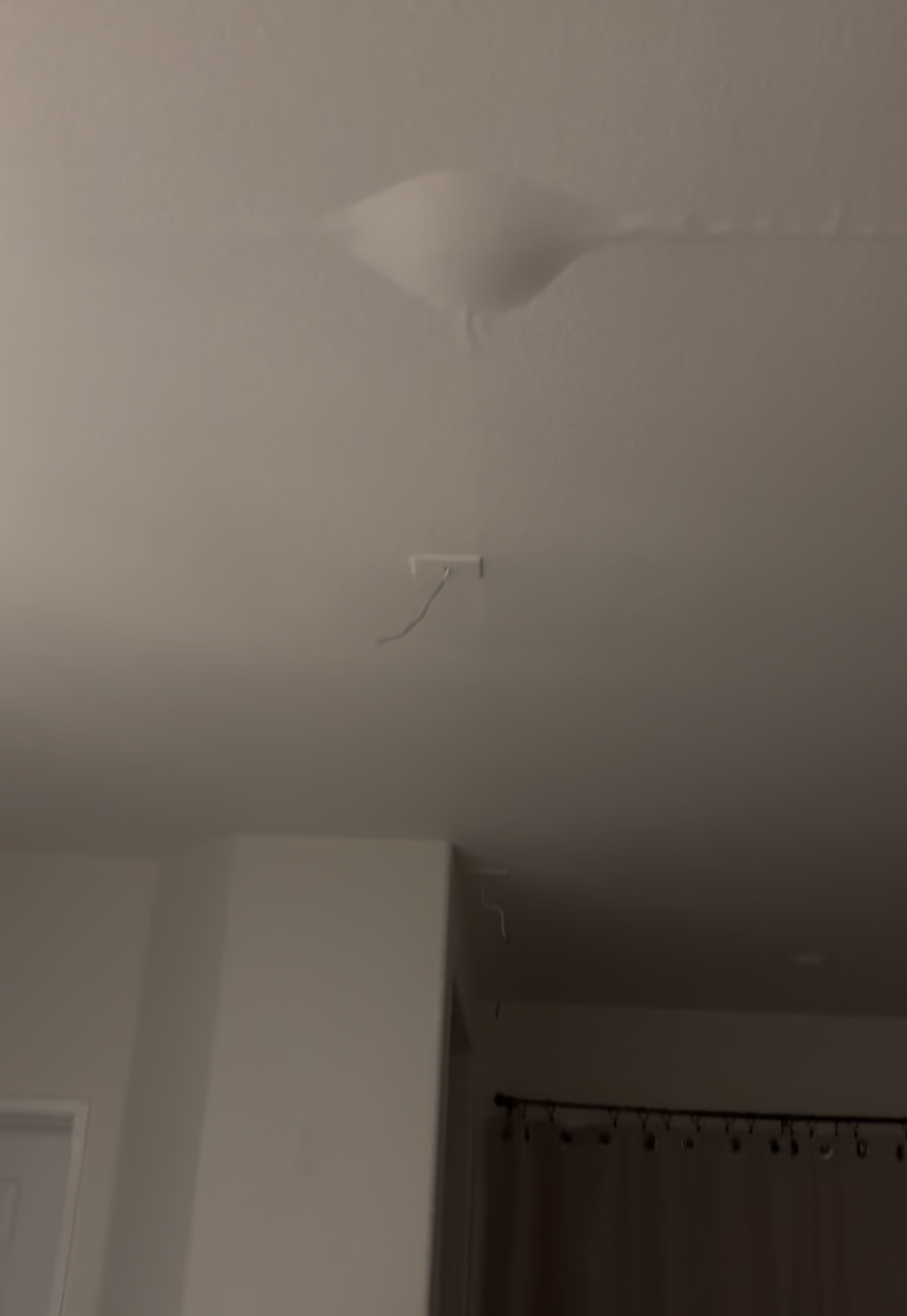
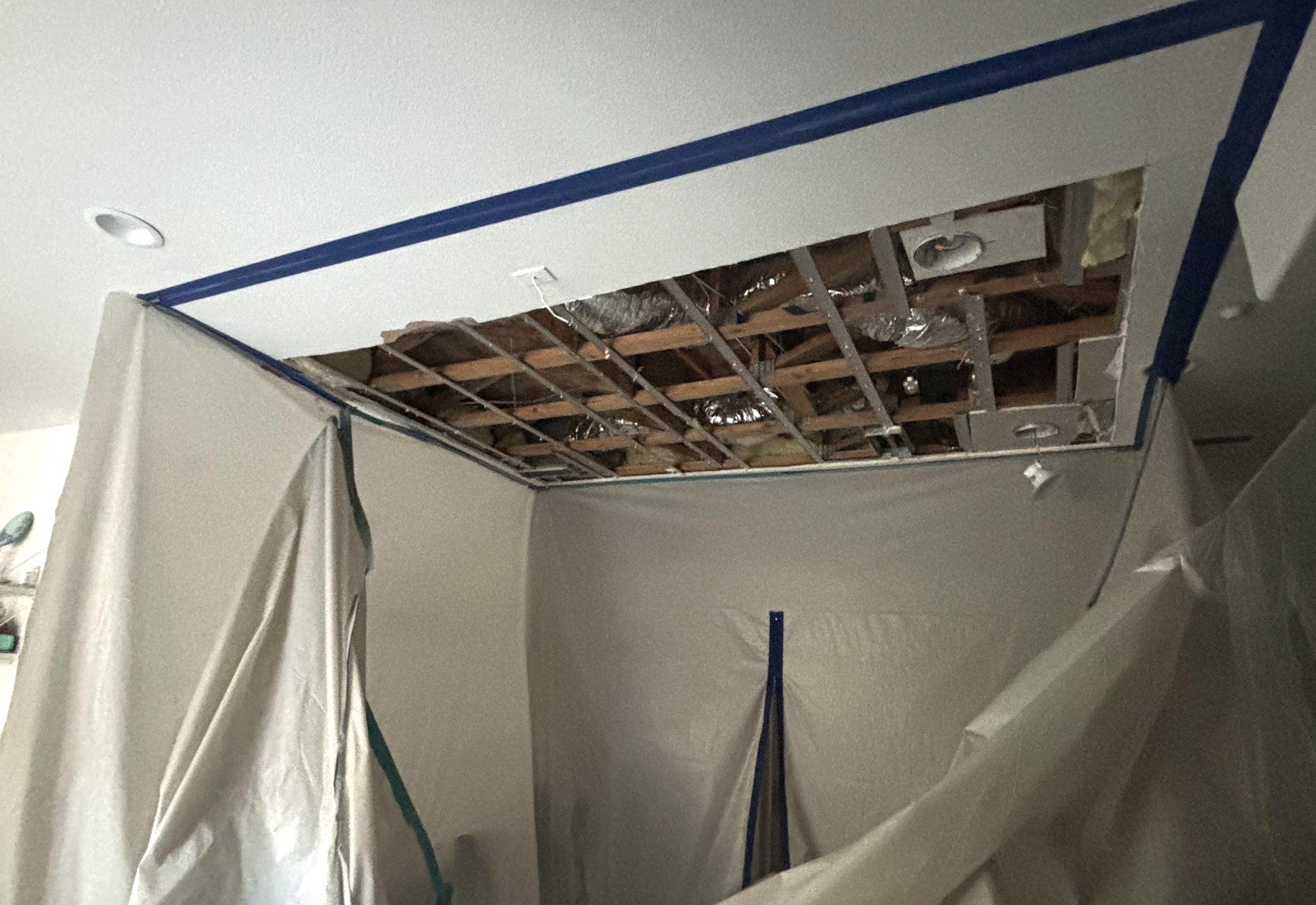
I called a restoration company immediately. What they found: when his crew had removed the toilet to lay the flooring, they'd left a water supply pipe with a slow, small leak. Not a dramatic burst — just a quiet drip, steady enough over days to saturate the subfloor and seep into the ceiling below.
He agreed to cover the ceiling repair. But that meant another crew, another schedule, another round of coordination — and a particular kind of fatigue that sets in when you realize the job you thought was nearly done... still isn't. The delay and the mental load were costs the contract had nothing to say about.
The bathroom floor.
Not long after, I watched one of his workers lay the bathroom floor tiles. He set a level on top. I could see it clearly: the tiles weren't even. Uneven enough that you didn't need to be an expert to notice.
The worker apparently saw the same thing. He packed up and left — frustrated, saying there was nothing he could do.
I flagged it. To his credit, my contractor got me a new crew. They came in, pulled everything up, and started fresh. The first thing they said: we do the wall tiles before the floor tiles. The wall tiles hang down slightly over the floor edge, so the sequence matters — if you tile the floor first, you can't get the wall alignment right. The original crew had done it backwards.
The new crew was methodical. When they finished, they walked me through it: walls straight, floor flat. I checked it myself. After weeks of setbacks, I felt something I hadn't felt in a while — actual relief.
When the contractor declared the project complete, I paid the final amount immediately. I was just glad it was over.
Then I took a shower.
The shower head was leaking from the top — a steady drip even when the water was off. Switching between the main head and the handheld didn't work properly; both would run at once, neither at full pressure. The water wouldn't get hot, even though every other faucet in the house worked fine.
And the floor. I noticed it the moment I stepped in. The slope was steep enough that mid-shower, after I put on body wash, my toes were clenching the tile just to stay upright. I nearly fell.
I had just paid in full. I had just felt relieved. And now I was standing in a brand-new shower, gripping the wall.
I listed everything and sent it over. He said he'd take care of it.
The shower pan was the real problem.
The slope wasn't just a bad tile job. The deeper issue was the preslope — the mortar base that sits beneath the waterproofing membrane, beneath the tile itself. It's the foundation of a shower pan. It's what determines whether water flows toward the drain or pools at the edges, against the seams, in the corners. Get it wrong at that layer and everything built on top is wrong too.
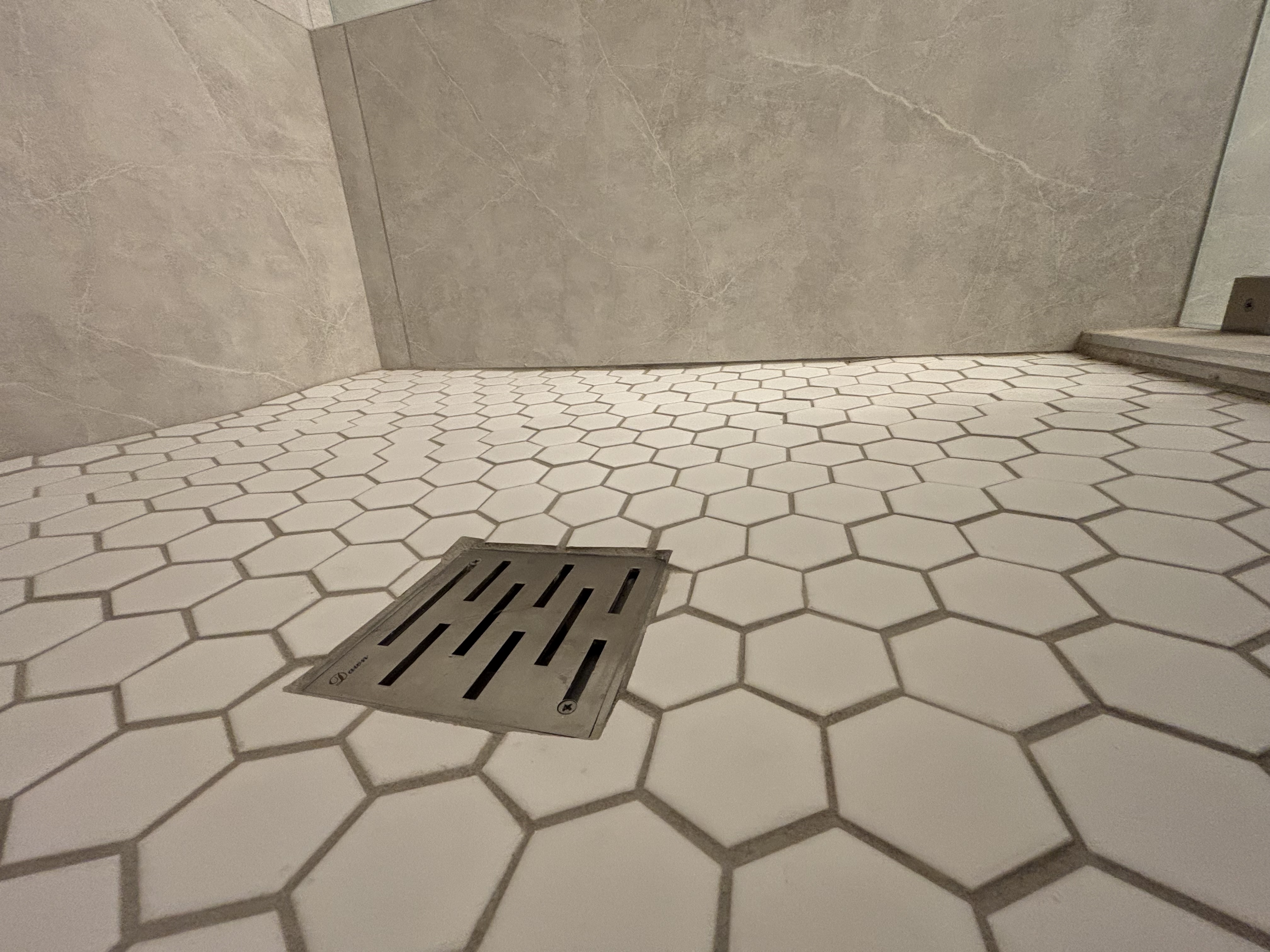
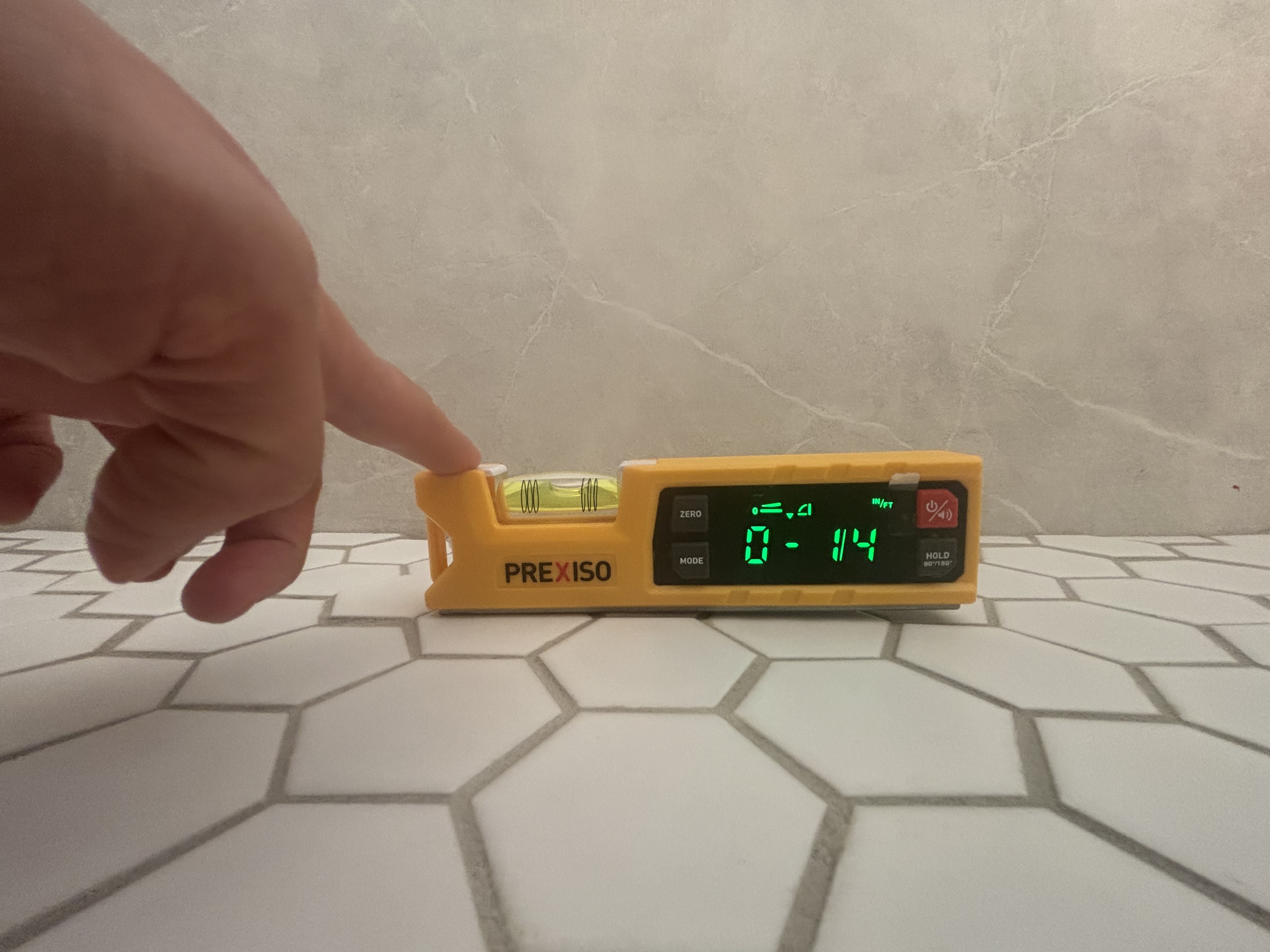
His team acknowledged the slope was off. But a proper fix — demolishing the tile, removing the waterproofing membrane, and rebuilding the preslope from concrete — is expensive and disruptive. So instead, they proposed a surface patch: re-mortar above the existing waterproofing, re-tile, and call it done. I pushed back. Their defense: a passed waterproofing inspection proved the structure was sound.
A passed inspection means the membrane holds water. It says nothing about whether the preslope beneath it was correctly shaped. Those are two different things. Water was still going to pool in the wrong places. Mold was a matter of time.
What followed was weeks of the same loop — and, eventually, some creative explanations. One visit I was told the real problem was that my shower was too small. Another time: everyone has their own preference for how much slope they like in a shower. A new person showed up each time. Each visit produced a vague plan. Nothing got confirmed in writing. I kept asking for a clear, written scope of what "fixing the shower pan" actually meant. I kept getting we'll take care of everything.
How it ended.
I filed a complaint with the California Contractors State License Board. A CSLB agent walked me through my options — including submitting a claim against the contractor's bond.
The bond company compensated me. The CSLB investigation is still open. And I'm finally about to get the shower properly redone — the right way, from the preslope up.
It took months longer than it should have. It cost me in time, in stress, and in a kind of background dread that's hard to describe until you've lived with an unfinished problem in your own home. But the recourse existed. I just had to know where to look.
What I'd do differently.
I hired based on reputation. Stars, reviews, a confident sales pitch, and a verbal promise of a 10-year warranty that never made it into the contract.
None of that told me how he actually worked.
Looking back, the signs were there from the start. The warm dismissals — that's construction, totally normal — sounded reasonable each time. But warmth of tone is not the same as quality of work. Every real issue got met with a promise rather than a plan. And I kept accepting that, because he sounded so sure.
The filter I'd use now: ask specific, concrete questions before signing. Not to be difficult — just to see whether they can answer them.
How long will each phase take? What do you check before moving to the next step? Who specifically will be doing the work? What's the installation sequence — walls before floors? What happens when something isn't right, and what does "fixing it" actually include?
A contractor who knows their craft answers these plainly. They've done it a hundred times. They know the steps, the sequence, the things that can go wrong. A contractor who's great at painting the vision — but gets vague the moment you ask how — is showing you something. You just have to ask.
Get everything in writing. Not as a threat — as clarity. A 10-year warranty means nothing in a sales pitch. "Fix the shower pan" means nothing if it doesn't say which layers are included. I spent weeks arguing about whether the repair covered the surface or the foundation — a conversation that should have been settled by one sentence in the original contract.
And know that recourse exists. If you're in California and a licensed contractor leaves a job wrong, the CSLB is a real resource. So is the contractor's bond. You don't have to just absorb the loss.
Why we built RemoDone.
This experience is why I started building RemoDone.
Most homeowners just want the project done well without their life being turned upside down. That's completely reasonable. And honestly — most contractors want to do good work too. They're human. Things get missed, assumptions don't get written down, and before anyone realizes it, both sides are arguing about what "finished" means.
So we started where the confusion usually starts: the contract.
RemoDone reads your remodeling contract and surfaces what's actually in it — the warranty terms, the payment schedule, what's included in the scope and what isn't. The things you probably skimmed because you trusted the person you were hiring. The things I wish I'd understood before I signed.
We're just getting started. But if I'd known what my contract actually said before work began, a lot of those weeks-long arguments would have been one conversation. Understanding your contract is where we start — tracking the work as it happens, so problems surface before they're sealed under tile, is where we're headed.
Try it free. Upload your contract. See what's actually in it.